September 9, 1776: The Birth of a Name – How the ‘United Colonies’ Became the ‘United States’
On a sleepy September morning in Philadelphia, the air inside the Pennsylvania State House (now Independence Hall) was thick with the scent of ink, sweat, and history. The Continental Congress had been at work for months. The Declaration of Independence was already signed back in July, but the new nation still lacked a proper name. For weeks, official documents referred to the “United Colonies of North America.” It was a mouthful, and frankly, it sounded a bit like a real estate listing.
Then, on September 9, 1776, a simple resolution changed everything. The Congress voted to strike out the old phrase and replace it with something grander: “The United States of America.” It was a small procedural move with colossal consequences. From that day forward, Americans weren’t just a collection of colonies fighting a rebellion; they were a nation—a bold experiment in self-government with a name that echoed across the Atlantic.
The Backstory: Why the Name Mattered
In the summer of 1776, the American Revolution was hanging by a thread. George Washington’s army had been chased out of New York, and British troops were pouring into the colonies. The Declaration had given the rebels a moral cause, but they still needed a legal identity. How could they negotiate treaties, borrow money from France, or issue currency if they didn’t even have a proper name?
The phrase “United Colonies” was a leftover from the early days of protest. It suggested a temporary alliance, not a permanent union. Men like John Adams and Thomas Jefferson understood that names have power. A united front required a united identity. So on that fateful September 9, Congress turned to a committee—made up of Richard Henry Lee, John Adams, and others—to draft a resolution. The result was simple but seismic: “Resolved, That in all continental commissions, and other instruments, where, heretofore, the words ‘United Colonies’ have been used, the stile be altered for the future to the ‘United States’.”
Notably, the resolution didn’t change the Declaration of Independence, which already used the phrase “United States of America” in its opening lines. But by making it official for all government business, Congress turned a phrase into a fact. The ink was barely dry before new commissions for army officers began using “United States.” The name started appearing on passports, loan certificates, and even the earliest versions of the Great Seal.
The Day in Philadelphia: A Quiet Revolution
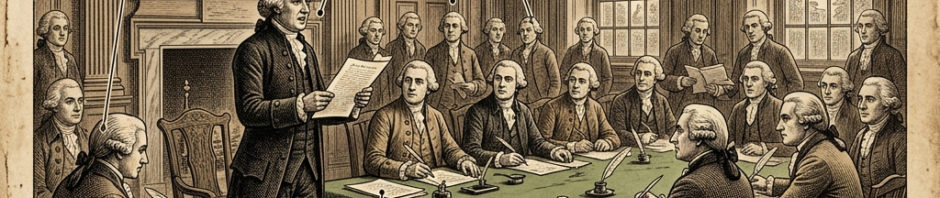
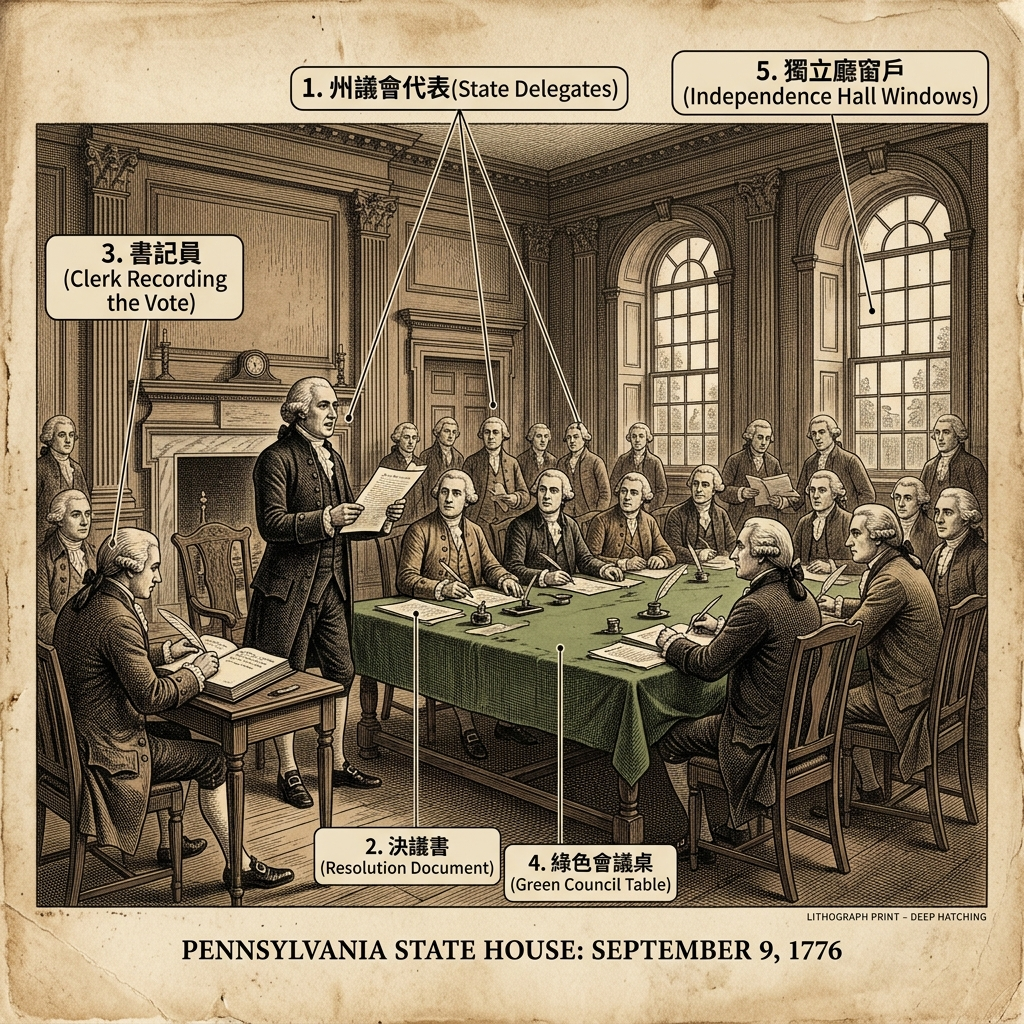
If you had walked into the State House that morning, you might have missed the drama. Delegates from the thirteen states sat at wooden desks, fanning themselves against the late-summer heat. The debate was brief—no fiery speeches recorded. Perhaps the men were tired after months of war and politics. But the vote was unanimous. Each state delegation said “aye,” and the clerk scratched the new words into the journal: “The United States.”
Outside, the streets of Philadelphia buzzed with news of the British advance. The city was a nervous place. But inside that room, a quiet cornerstone was laid. The name “United States” wasn’t just a label; it was a promise. It said that thirteen separate colonies could become one people. It said that the revolution wasn’t just about breaking away from Britain—it was about building something new.
What Changed That Day?
The immediate impact was practical. Diplomats like Benjamin Franklin, already in France begging for aid, could now present credentials from the “United States of America.” It sounded more serious than “United Colonies.” Loans were easier to secure. Treaties carried more weight. The name also helped unify the army. Soldiers from Massachusetts and Virginia fought under the same banner, for the same country. Even the word “America” carried a sense of destiny—a vast continent waiting to be molded.
Over time, the name became a rallying cry. It appeared on the Articles of Confederation (1781) and later on the Constitution (1787). It was stamped onto coins, printed on maps, and whispered by immigrants boarding ships for the New World. By the time the Civil War threatened to tear it apart, the name “United States” was strong enough to hold the nation together—even if the union had to be fought for.
Why We Still Remember
Today, September 9 isn’t a federal holiday. You won’t find parades or fireworks. But it’s a date worth remembering because it marks the moment when the American experiment found its voice. Before that day, the colonies were a rebellion; after it, they were a nation. The name “United States of America” didn’t win the war on its own, but it gave the war a purpose. It gave the people a home.
So the next time you say those five words, think of the men in that stuffy Philadelphia room. They didn’t fire a single shot that day. But they loaded a cannon that would echo through history. On September 9, 1776, the United States of America was born—not with a bang, but with a ballot.